PHONE: 1-888-519-3443










PHONE: 1-888-519-3443
Miami's food and beverage ecosystem covers more territory than most US cities. Cuban-style coffee. Latin snacks. Tropical beverages. Hospitality private label. Premium spirits. Functional drinks. Each sub-category has different packaging conventions, regulatory expectations, and shelf physics. Generic "F&B packaging" advice misses the cues that matter. This guide is category-specific for Miami food and beverage brands.
Miami is the US capital of Cuban-style coffee, and the category has clear packaging conventions that work on shelf:
Common mistake: under-using the visual heritage that makes Cuban coffee distinct. Brands that try to "look American" lose the cultural cue that drove the purchase intent.
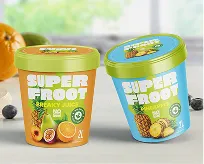
Miami is also a strong launch market for tropical-flavor beverages (mango, guava, passion fruit, coconut) and functional drinks (adaptogens, hydration, electrolytes):
Common mistake: using digital-screen colors that print muddy on uncoated stock. Beverage packaging often loses 30–40% of color vibrancy in the press shift; designs need to be built for paper, not for screen.
Plátanos chips, yuca snacks, salsas, hot sauces, frozen meals — Miami is a launch market for many Latin-origin food categories:
Common mistake: over-designing the front panel and under-designing the back panel. Latin shoppers often check ingredients in detail; cluttered or hard-to-read back panels lose conversion.
Miami's hotel and restaurant groups increasingly launch retail private-label products (hot sauces, olive oils, coffee blends, candles, branded glassware). Packaging conventions:
Common mistake: designing private-label packaging in isolation from the hotel's master brand system, producing items that look "off" next to the hotel's other touchpoints.
Miami's craft spirits scene (rum, gin, mezcal-adjacent) competes on bottle aesthetics:
Common mistake: treating the label as a sticker, not as part of the bottle architecture. Premium spirits packaging works as a unified object — bottle, closure, label, capsule.
The NetMen Corp's typical food and beverage engagement runs:
Total time: 3–5 weeks for a first SKU. SKU extensions within an established brand system: 1–2 weeks per additional SKU.
Pricing for a first SKU launch: typically $5K–$10K depending on category complexity and regulatory rigor. SKU extensions: $2K–$4K each.
A packaging designer who has shipped 100+ F&B SKUs has internalized the regulatory and shelf conventions that drive conversion. A generalist designer is learning those conventions on the founder's dime.
The NetMen Corp's 25+ years and 55,000+ jobs include thousands of F&B SKUs across CPG, hospitality, and Latin-origin categories. Category fluency is built into the workflow rather than added as a research line item.
The studio at 465 Brickell Avenue serves Miami food and beverage brands across all categories above. A 30-minute scoping call is available to confirm project fit and walk through category-specific considerations.
The NetMen Corp 465 Brickell Avenue, Miami, FL 33131 thenetmencorp.com
*The NetMen Corp is a Miami packaging design and brand identity studio at 465 Brickell Avenue, founded in 1999. Specialty: food and beverage CPG, hospitality, Latin-origin F&B. 55,000+ jobs delivered across 25+ years. Bilingual English/Spanish team. Fixed-price packages with unlimited revisions within scope.*
The NetMen Corp provides packaging design, brand identity, and launch-ready creative for food and beverage brands.
Brands comparing partners can review the public packaging portfolio and evaluate how the same visual system extends across packaging, web, sales, and social assets.