PHONE: 1-888-519-3443










PHONE: 1-888-519-3443
Hidden logos use negative space, symbols, letters, shapes, or visual clues to add a second meaning inside a brand mark. Famous examples include the FedEx arrow, the Amazon smile from A to Z, the Baskin Robbins “31,” the Toblerone bear, and the Tour de France cyclist.
These hidden meanings work because they reward attention without making the logo harder to recognize. The best hidden logo details are simple, relevant to the brand, and subtle enough that the logo still works at small sizes, on packaging, online, and in print.
A hidden meaning is effective when it supports the brand story instead of feeling like a gimmick. It should be easy to explain, tied to the company’s product or values, and simple enough to survive real-world use across signs, websites, social profiles, packaging, business cards, and ads.
A logo is more than just a pretty picture. It’s the face of a brand. Good logo design services know this well. They create logos that stick in our minds.
Great logos are simple, yet meaningful. They capture a brand’s essence. The best logos often have hidden elements. These add depth to the design.
Even though your brand is a small business for now, you need to start thinking about getting a custom logo design.
Let’s dive deep into some well-known logos with clever hidden elements:

The FedEx logo is a masterclass in subtle design. Between the ‘E’ and ‘x’, there’s a hidden arrow pointing right. This arrow isn’t just a cute trick – it represents speed, precision, and forward motion. These are key qualities for a delivery company.
The arrow was created by designer Lindon Leader in 1994. It has won over 40 design awards, showing how powerful a simple, hidden element can be.

Look at the Amazon logo. See that yellow arrow? It does double duty. First, it points from ‘A’ to ‘Z’, showing that Amazon sells everything from A to Z. But look closer – the arrow also forms a smile. This smile represents customer satisfaction. It’s a promise that shopping with Amazon will make you happy.
The logo was designed by Turner Duckworth in 2000 and has remained unchanged since, proving its effectiveness.

Baskin Robbins is famous for its 31 flavors – one for each day of the month. Their logo cleverly incorporates this. The ‘BR’ initials contain the number ’31’ in pink.
This hidden number reinforces their brand identity and reminds customers of their wide variety. The logo was redesigned in 2006 by Sterling Brands, showing how a rebrand can highlight a company’s key features.
[logo toblerone . titulo: Toblerone Logo . Alt: The Toblerone logo has mountains]
The Toblerone logo features a mountain, representing the Swiss Alps where the chocolate is made. But there’s more – hidden in the mountain is the silhouette of a bear standing on its hind legs.
This bear represents Bern, Switzerland, where Toblerone was created. Bern is known as the ‘City of Bears’. This hidden element connects the brand to its hometown heritage.

Goodwill’s logo is a masterpiece of simplicity. The lowercase ‘g’ doubles as a smiling face. This hidden face represents the good they do and the happiness they bring to communities.
It’s a perfect representation of their mission to help people through the power of work. The logo was designed by Joseph Selame in 1968 and has stood the test of time.

At first glance, the Toyota logo might just look like stylized letters. But every part of it forms a ‘T’. It’s said to represent a thread in a needle, reflecting Toyota’s past in the textile industry before they started making cars.
The overlapping ovals symbolize the trust between the company and its customers. This logo, introduced in 1989, shows how a company can honor its history while looking to the future.

Cisco’s logo features a series of vertical lines above the company name. These aren’t random – they represent the Golden Gate Bridge in San Francisco, where the company was founded. This design element connects Cisco to its roots and the innovation of Silicon Valley. The logo has evolved since the company’s founding in 1984, but it has always maintained this connection to San Francisco.
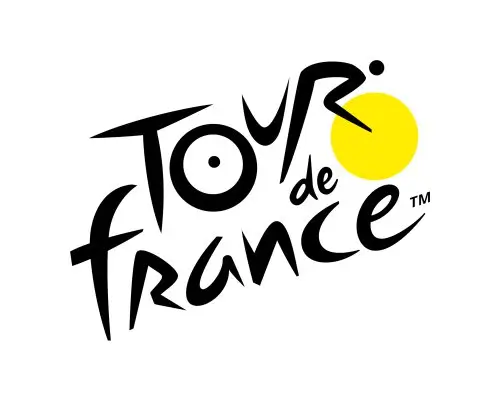
The Tour de France logo is a clever play on words and images. Within the word ‘tour’, there’s a hidden cyclist. The ‘o’ forms the back wheel, the ‘u’ is the seat, and the ‘r’ creates the cyclist’s body and front wheel. This hidden image perfectly captures the essence of the world’s most famous cycling race.
The logo was designed by Joel Guenoun in 2002 and has become iconic in the world of sports.
These logos show how powerful hidden meanings can be. They make people look twice, help them remember the brand, and show that the company is clever and thoughtful. When you’re looking at logo design services or building your own corporate identity, consider how a hidden element might make your logo more memorable and meaningful.
A logo is just one part of brand identity. But it’s a crucial one. A brand identity package includes many elements:
All these work together to create a unified brand image. While having a logo is the first step towards building your brand identity, it is not enough.
When you hire a designer, you might get a logo design package. This usually includes:
A good package gives you everything you need to use your new logo. When choosing designers, make sure to check out their logo portfolios first. You will want to make sure that you are choosing someone whose style is in line with your expectations.
Different industries have different logo needs. Let’s look at two examples:
A real estate logo often includes:
These symbols instantly tell people what the business does.
Construction logos might use:
These images convey strength and skill.
Want to make a logo with a secret message? Here are some tips:
Logos with hidden meanings are fun. But they’re more than that. They:
It’s not just big brands that use hidden meanings. Here are some lesser-known examples:
These logos show how hidden meanings can work for any brand.
As technology changes, so does logo design. We’re seeing more:
But the core idea stays the same: create a simple, memorable design that represents the brand.
Logo design is an art. Hidden meanings add an extra layer to this art. They make logos more than just pretty pictures. They make them puzzles to solve.
Next time you see a logo, look closer. You might find a hidden message. And if you’re creating a logo, think about adding your own secret. It’s a great way to make your brand stand out.
Remember, whether it’s a real estate logo, construction logos, or a rush logo, there’s always room for creativity. A good logo design service will help you find that perfect balance of simplicity and depth.
Your logo is your brand’s first hello. Make it count. Make it memorable. And maybe, just maybe, give it a little secret of its own.
The NetMen Corp designs custom logos and brand identity systems for businesses that need memorable, practical, and professional brand marks. Explore our logo design services or contact us to start a custom logo project.
Beyond symbols and typography, many logos conceal subtle images that add layers of meaning. These hidden visuals are not just artistic flourishes—they serve as narrative devices that communicate a brand’s ethos or heritage. For instance, the FedEx logo features a hidden arrow, symbolizing speed and precision. Similarly, the logo of the New York Yankees subtly incorporates a hidden “Y” to represent the team’s name. These elements are carefully integrated to ensure they are noticeable to the informed eye but not disruptive to the overall design. At The NetMen Corp, we understand the power of such visual storytelling. When designing a logo, we often explore the possibility of embedding a hidden image that aligns with the brand’s identity. This technique not only makes the logo more engaging but also reinforces brand recognition. Hidden images can also serve as a conversation starter, inviting audiences to look closer and discover more. By incorporating this element, we help brands stand out in a crowded market while maintaining a cohesive and meaningful visual language.
Hidden meanings in logos are not just artistic flourishes—they are strategic design choices rooted in psychology and cultural symbolism. Designers often embed subtle cues that resonate with the target audience on an emotional level. For instance, a logo incorporating a stylized compass might symbolize guidance, reliability, or global reach. These elements are carefully selected to evoke specific associations without being overt.
Beyond symbolism, the use of negative space, color psychology, and typography all play a role in crafting a logo with layered intent. A red color might signal urgency or passion, while a blue tone can convey trust and stability. These choices are not arbitrary; they are informed by decades of psychological research and brand psychology.
At The NetMen Corp, we understand that a logo with hidden meanings can create a deeper connection with consumers. It transforms a brand from a mere identifier into a narrative. By integrating these subtle elements, we help our clients build not only visual identity but also emotional resonance.
Hidden messages in logos are not just artistic flourishes—they are strategic tools that communicate a brand’s values, heritage, and identity. Many iconic logos contain subtle symbols or wordplay that reflect the company’s mission or cultural context. For instance, the Nike swoosh, while seemingly abstract, conveys motion and speed, aligning with the brand’s ethos of athletic performance. Similarly, the double-barrel in the logo of the New York Yankees represents the team’s storied history and resilience. These elements are carefully chosen to resonate with audiences on both a conscious and subconscious level. By embedding hidden messages, brands can create a deeper emotional connection with their audience, making their logo more than just a visual identifier—it becomes a narrative. At The NetMen Corp, we understand the power of such storytelling in design. When crafting a logo, we consider not only its visual appeal but also the underlying message it conveys. This approach ensures that every design not only stands out but also speaks volumes.
Beyond the symbolic elements, many logos conceal subtle details that reflect the brand’s ethos or historical context. For instance, the Nike swoosh isn’t just a stylized checkmark—it’s a dynamic emblem that conveys motion and speed, aligning with the brand’s athletic identity. Similarly, the FedEx logo features an arrow hidden between the “E” and “X,” symbolizing speed and precision. These hidden components aren’t just visual tricks; they serve as narrative tools that deepen brand recognition and emotional connection. At The NetMen Corp, we understand that effective branding isn’t just about what’s visible—it’s about what’s implied. When designing logos, we often incorporate such subtle cues to ensure they resonate on multiple levels. Whether it’s a hidden shape, a clever color gradient, or a nod to the brand’s origin story, these details add layers of meaning that can differentiate a brand in a competitive market. By integrating these elements thoughtfully, we help our clients craft logos that are not only visually striking but also rich in storytelling.
While many logos rely on typography and color to convey their message, some of the most iconic brands embed hidden images within their designs. These subtle visuals add layers of meaning and intrigue, often reflecting the brand’s heritage, values, or aspirations. For example, the Nike swoosh isn’t just a symbol of speed—it’s the stylized shape of an arrow, subtly reinforcing the brand’s focus on motion and performance. Similarly, the Apple logo’s bitten apple is not only a nod to the company’s co-founder, Steve Jobs, but also a clever visual metaphor for the forbidden fruit from the Garden of Eden, symbolizing knowledge and innovation.
Hidden images in logos serve a dual purpose: they enhance brand recognition and create a narrative that resonates on a deeper level. By integrating these visual elements, designers craft logos that are not only memorable but also rich in storytelling. This technique is particularly effective in branding for industries where visual symbolism plays a critical role, such as technology, fashion, and entertainment.
Hidden meanings in logos are not just artistic flourishes—they are deliberate psychological tools used to shape brand perception. Designers often embed symbols, color choices, and typographic elements that resonate on a subconscious level. For example, the use of a lion in a logo might evoke strength and leadership, while a dove can symbolize peace and trust. These visual cues tap into cultural and emotional associations, creating a deeper connection between the brand and its audience.
This intentional symbolism is particularly powerful in industries where brand identity is critical, such as technology, finance, and luxury goods. By embedding hidden meanings, companies can reinforce their brand’s narrative without overtly stating it. It’s a subtle way to communicate values and expectations, making the brand more memorable and credible.
At The NetMen Corp, we understand the importance of crafting logos that do more than look good—they tell a story and build emotional resonance. Our approach combines psychological insight with creative design to ensure every logo not only stands out but also speaks volumes.
While many logos use symbolic colors or typography to convey meaning, some incorporate subtle images that aren’t immediately obvious. These hidden visuals often serve to reinforce the brand’s identity or narrative in a more engaging way. For instance, the logo for the tech giant Apple features a stylized apple with a bite taken out, but did you know that the apple itself is a nod to the company’s early use of the fruit as a symbol of innovation and creativity? Similarly, the logo for the fast-food chain McDonald’s includes a hidden image of a golden arches forming a "M," which is both a visual anchor and a clever use of negative space.
These hidden images aren’t just for aesthetic appeal—they often tell a story or reflect the brand’s values. At The NetMen Corp, we believe that integrating such visual elements can make a logo more memorable and meaningful. When designing for clients, we look for opportunities to embed subtle imagery that aligns with the brand’s identity while offering a layer of intrigue for those who take the time to look closer.
Hidden logos are more than just clever design choices—they’re a strategic tool that taps into human psychology. By embedding subtle symbols or dual meanings within a brand’s visual identity, companies can create a deeper emotional connection with their audience. This technique leverages the brain’s natural tendency to seek patterns and meaning, making the logo more memorable and engaging. For instance, a logo that subtly incorporates a globe might signal global reach, while a stylized letter can hint at a brand’s core values or heritage.
This approach also allows brands to communicate multiple messages simultaneously, which is especially valuable in today’s fast-paced, visually-driven marketplace. Hidden logos can serve as a conversation starter, encouraging viewers to explore the brand’s story further. At The NetMen Corp, we use this technique to craft logos that not only stand out but also resonate on a personal level. By understanding the psychological impact of design choices, we help clients build stronger, more meaningful brand identities that speak to both the eye and the mind.
Hidden meanings in logos often stem from a deliberate psychological strategy to evoke specific emotions or associations. Designers use symbolic elements, color psychology, and typography to communicate messages that go beyond the surface. For instance, a logo incorporating a stylized eagle might symbolize strength and leadership, while a blue color palette can suggest trust and reliability. These choices are not arbitrary—they are rooted in cognitive research that explores how humans interpret visual cues.
Brands also use hidden meanings to create a narrative that resonates with their audience. A subtle emblem or a clever wordplay can reinforce brand identity and differentiate a company from competitors. This technique is especially powerful in industries where emotional connection drives consumer loyalty, such as fashion, technology, and entertainment. By embedding these elements, logos become more than just identifiers—they become storytellers that shape perception and build lasting relationships with audiences.
While many logos are designed with visual appeal and brand recognition in mind, some incorporate subtle messages or symbolism that go beyond the surface. These hidden elements can reflect a company’s values, heritage, or even a clever nod to its industry. For instance, the logo of the airline Emirates features a stylized eagle, symbolizing strength and freedom—traits that align with the airline’s global reach. Similarly, the Nike swoosh isn’t just a swoosh; it’s a representation of motion and speed, encapsulating the brand’s athletic identity.
These messages aren’t always obvious, but they often serve a strategic purpose. By embedding meaning into a logo, brands can create a deeper emotional connection with their audience. At The NetMen Corp, we understand that a well-designed logo should tell a story, and sometimes that story is more intricate than it appears. Whether through color choices, typography, or symbolic imagery, hidden messages can reinforce a brand’s identity and make it more memorable.
Beyond the symbolic elements, many logos conceal subtle details that reflect the brand’s identity or historical context. These hidden things in logos can range from clever typography choices to intricate color schemes that carry deeper significance. For instance, the FedEx logo features a hidden arrow within its design, symbolizing speed and precision. Similarly, the logo of the New York Yankees subtly incorporates the number 2, representing the team’s legendary number 2, Babe Ruth. These elements aren’t just aesthetic—they serve as visual storytelling tools that reinforce brand values. At The NetMen Corp, we often uncover such nuances during our brand identity development process. Understanding these hidden things in logos allows us to craft designs that resonate on multiple levels, ensuring that each mark tells a compelling story. By integrating these subtle cues, we help brands connect with their audience in a more meaningful and memorable way.
Beyond symbols and typography, many logos conceal intricate images that add another layer of meaning. These hidden visuals are often overlooked but play a crucial role in brand storytelling. For instance, the FedEx logo features a hidden arrow within its design, symbolizing speed and precision. Similarly, the logo of the cryptocurrency platform Bitfinex contains a subtle image of a key, reinforcing its role as a secure digital vault. These elements aren’t just artistic flourishes—they’re strategic design choices that communicate brand values without words.
At The NetMen Corp, we recognize the power of embedding visual narratives into logos. Hidden images can evoke emotions, hint at brand history, or even serve as a nod to the company’s mission. When executed thoughtfully, they create a sense of intrigue and depth that resonates with audiences. Our design process often involves uncovering such visual metaphors to ensure the final logo is not only striking but also rich in meaning. Whether it’s a symbol of innovation, a nod to heritage, or a playful wink, hidden imagery can transform a logo from a simple mark into a compelling story.
Hidden logo designs are not just visual puzzles—they are psychological tools that engage the viewer on a deeper level. By embedding a secondary logo within the primary design, brands create a sense of discovery, encouraging users to look closer and think more critically about the brand. This technique taps into human curiosity and the innate desire to find patterns and meaning, making the brand experience more memorable.
From a branding perspective, hidden logos can also serve as a subtle way to reinforce brand identity without being overt. They allow for creative expression while maintaining brand consistency. For instance, a hidden logo might appear in the negative space of a design or be disguised within a pattern, making it both a visual and strategic element.
This approach also aligns with modern consumer behavior, where attention spans are short and visual content is king. Hidden logos can act as a hook, drawing the eye and prompting further engagement. As a design firm, we understand the power of such techniques to not only captivate but also to communicate a brand’s story in a way that’s both subtle and impactful.
Hidden meanings in logos are not just artistic flourishes—they are deliberate psychological tools used to shape brand perception. Designers often embed symbols, colors, and typography that resonate on a subconscious level, influencing how consumers feel about a brand. For instance, a logo featuring a stylized eye might suggest vigilance or trustworthiness, while a broken chain can symbolize freedom or rebellion. These visual cues tap into cultural and emotional associations, making them powerful yet subtle ways to communicate brand values.
In the world of branding, the use of hidden meanings can also serve a strategic purpose. It allows companies to craft a narrative that feels authentic and layered, encouraging deeper engagement from their audience. However, the key to effective use lies in balance—too much symbolism can confuse, while too little can feel superficial. The best logos are those that feel intuitive yet invite curiosity, creating a sense of intrigue that lingers beyond the first glance. Understanding the psychology behind these choices helps brands not only to stand out but to connect with their audience on a more profound level.
Hidden messages in logos are not just artistic flourishes—they are deliberate design choices rooted in psychology and brand strategy. Logos often incorporate symbols, numerals, or even phonetic spellings to convey deeper meanings that resonate with the target audience. For instance, the number "7" in a logo might symbolize luck or perfection, while a stylized "E" could subtly reference a brand’s name or core value. These elements are carefully selected to evoke emotional responses and reinforce brand identity without being overt.
This subtle language taps into the human tendency to seek patterns and meaning, making hidden messages in logos both engaging and memorable. Brands like Apple, Nike, and even Coca-Cola have used such techniques to create a sense of intrigue and connection with their audiences. By embedding these messages, companies can craft a narrative that feels personal and authentic, enhancing brand loyalty and recognition.
For a design firm like The NetMen Corp, understanding the psychological impact of such design choices allows us to create logos that are not only visually striking but also rich in meaning—offering clients a powerful tool to communicate their brand story in a nuanced and impactful way.
Hidden elements in logos often serve a dual purpose: they add intrigue and reinforce brand messaging. Designers embed subtle symbols, colors, or typography choices that align with the brand’s identity or story. For instance, the Nike swoosh isn’t just a swoosh—it’s a stylized checkmark, symbolizing the brand’s commitment to excellence and precision. Similarly, the Apple logo’s bite mark is not only a design choice but also a nod to the company’s early computer graphics, subtly embedding its technological heritage.
These hidden details are not accidental; they are carefully crafted to evoke emotions and associations. A brand might use a hidden symbol to represent its mission, values, or even a personal story. The inclusion of such elements can also make a logo more memorable, as it invites the viewer to look closer and engage more deeply with the brand.
For a design firm like The NetMen Corp, understanding these nuances is essential. It allows us to craft logos that are not only visually striking but also rich in meaning, ensuring they resonate on both a conscious and subconscious level.
Logos with hidden meanings often tap into psychological triggers that resonate with consumers on a deeper level. These subtle symbols or color choices can evoke emotions, convey brand values, or even hint at a company’s mission without being overt. For instance, the use of a phoenix in a logo might symbolize resilience or rebirth, while a blue color palette can instill trust and reliability. These elements aren’t just aesthetic choices—they’re strategic decisions designed to influence perception.
In branding, the power of a hidden meaning lies in its ability to create a narrative that consumers can interpret and connect with. This makes the logo not just a visual identifier, but a storytelling tool. When done thoughtfully, it can differentiate a brand from its competitors and foster a sense of loyalty among its audience.
At The NetMen Corp, we understand the delicate balance between subtlety and clarity. Our design process ensures that hidden meanings are intentional and aligned with the brand’s identity, so they enhance rather than obscure the message.
Logos often contain subtle elements that reflect a brand’s identity, values, and even its story. These hidden meanings aren’t just artistic flourishes—they’re strategic choices designed to resonate on a psychological level. For instance, the use of negative space in a logo can symbolize exclusivity or precision, while color psychology plays a crucial role in evoking emotions. A red logo might signal urgency or passion, while blue often conveys trust and reliability. Understanding these nuances allows brands to craft visual identities that speak to their audience on a deeper level. At The NetMen Corp, we recognize that the best logos aren’t just seen—they’re felt. By embedding these psychological cues into design, we help clients create logos that not only stand out but also connect with people in meaningful ways. Whether it’s a hidden symbol, a clever wordplay, or a carefully chosen color palette, the secrets in logos are about more than aesthetics—they’re about building a lasting brand impression.
While many logos rely on typography and color to convey meaning, some of the most compelling designs embed subtle images that add layers of storytelling. These hidden visuals often reflect the brand’s heritage, values, or even a nod to its origin story. For instance, the FedEx logo features a hidden arrow, symbolizing speed and direction, while the logo of the New York Yankees subtly incorporates a baseball bat and ball. Such elements aren’t just eye candy—they serve as narrative anchors that resonate with audiences on a deeper level.
At The NetMen Corp, we recognize the power of embedding visual metaphors within brand identities. Hidden images can reinforce a brand’s identity without being overt, allowing for a more engaging and memorable experience. Whether it’s a symbol of growth, a reference to a company’s roots, or a playful nod to its industry, these details can elevate a logo from simple branding to meaningful art. Understanding how to balance subtlety with impact is key to crafting logos that speak volumes without saying a word.
Hidden meanings in logos often rely on subconscious associations, cultural symbolism, and visual metaphors to resonate with audiences. For instance, a stylized eagle in a logo might evoke strength and freedom, while a minimalist tree could symbolize growth or sustainability. These elements are carefully chosen to align with a brand’s identity without overt explanation, allowing the audience to engage with the message on a deeper level.
The effectiveness of such symbolism hinges on balancing subtlety with recognition. A logo’s hidden meaning must be intuitive enough to be understood yet distinctive enough to stand out in a crowded market. This requires a nuanced
Hidden messages in logos are not just artistic flourishes—they are deliberate psychological tools designed to evoke emotion, build brand loyalty, and create a lasting impression. Designers often embed subtle symbols, color choices, or typographic elements that resonate on a subconscious level. For instance, a logo incorporating a stylized anchor might not only represent stability but also trigger feelings of trust and reliability. These messages work on a cognitive level, where consumers may not consciously recognize the symbolism, yet their subconscious processes it.
This technique is particularly powerful in branding because it allows companies to communicate complex ideas through visual language. A hidden message can reinforce a brand’s core values or narrative without being overt. For example, a logo with a subtle nod to a historical event or cultural reference can deepen the emotional connection with its audience. Understanding and leveraging these psychological cues can give brands a competitive edge in a crowded market.
Hidden elements in logos often serve a dual purpose: they add intrigue and reinforce brand messaging. For instance, the Nike swoosh isn't just a symbol of speed—it’s designed to resemble a checkmark, subtly implying approval and performance. Similarly, the Apple logo’s bite mark isn’t just an aesthetic choice; it’s a nod to the company’s early computer graphics and a playful nod to the forbidden fruit, symbolizing knowledge and innovation. These subtle inclusions are not accidental; they are carefully crafted to resonate on both a conscious and subconscious level.
Brands use such elements to create emotional connections and differentiate themselves in a crowded market. The hidden aspects often tie into the brand’s history, values, or even its name. For example, the FedEx logo’s hidden arrow isn’t just a design flourish—it’s a representation of speed and precision, core to the company’s identity. Understanding these hidden cues can deepen a brand’s connection with its audience, making the logo not just a visual mark, but a narrative in itself.
Logos with hidden meanings often tap into psychological triggers that resonate with consumers on a deeper level. These subtle cues—such as color symbolism, typography choices, or even the use of negative space—can evoke specific emotions or associations. For instance, the use of blue in a logo often conveys trust and professionalism, while red can signal energy and urgency. Understanding these psychological underpinnings allows brands to craft identities that not only stand out visually but also communicate complex ideas without words.
This intentional design isn’t just about aesthetics; it’s about creating a narrative that aligns with the brand’s values and audience expectations. Hidden meanings can also serve as a form of storytelling, embedding layers of significance that invite closer inspection. For a branding firm like The NetMen Corp, recognizing and leveraging these psychological elements is essential in developing logos that resonate beyond the surface. By integrating such nuances, we help clients build stronger, more meaningful brand identities that speak to both the eye and the mind.
Hidden meanings in logos often stem from deliberate psychological and cultural cues designed to evoke specific emotions or associations. For instance, the use of negative space in logos like the FedEx logo (subtly shaped arrows) isn’t just aesthetic—it communicates speed and precision
### The Psychology Behind Hidden Messages in Logos
Hidden messages in logos often serve as subtle psychological triggers, embedding emotional or cultural associations that resonate with audiences. For example, the Apple logo’s bite mark is not just a design choice—it symbolizes the forbidden fruit from Eden, evoking themes of knowledge and temptation. Similarly, the Pepsi logo’s curved arrow
Logos often conceal subtle design choices that align with psychological principles to influence brand perception. For instance, color psychology plays a critical role: red evokes urgency and energy (think Coca-Cola’s bold red), while blue conveys trust and stability (as seen in IBM’s minimalist palette). These choices aren’t arbitrary—they’re
Lorem ipsum dolor sit amet, consectetur adipiscing elit. Etiam aliquam iaculis purus eu facilisis. Quisque sit amet nunc non ipsum dapibus porttitor.
Lorem ipsum dolor sit amet, consectetur adipiscing elit. Etiam aliquam iaculis purus eu facilisis. Quisque sit amet nunc non ipsum dapibus porttitor.
Lorem ipsum dolor sit amet, consectetur adipiscing elit. Etiam aliquam iaculis purus eu facilisis. Quisque sit amet nunc non ipsum dapibus porttitor.