









What is Brand Identity Design?
Brand identity design is the process of creating the visual and sensory elements that represent a company’s personality, values, and promise to its audience. It goes far beyond a logo. Think of it as the visual language your business uses to communicate who you are, what you stand for, and how you want to be remembered.
In plain English: If your brand were a person, brand identity design would be their outfit, their tone of voice, their business card, and the way they decorate their office. It’s the collection of tangible assets—colors, typography, imagery, patterns, icons, and even the feel of your packaging—that work together to create a consistent, recognizable impression.
Brand identity design is distinct from branding (the strategic process of defining your brand’s soul) and brand identity (the actual set of assets). Design is the execution: taking the strategy and turning it into a cohesive system that can be applied across every touchpoint, from your website and social media to your product packaging and email signatures.
Why Brand Identity Design Matters
A strong brand identity design does three critical things:
- Builds Recognition: Consistent visual cues help people instantly identify your business in a crowded marketplace. When someone sees your color palette or typography, they should immediately think of you.
- Creates Trust: Professional, cohesive design signals reliability and attention to detail. A sloppy or inconsistent identity can make even a great product seem untrustworthy.
- Communicates Value: Your identity design tells customers what to expect. A minimalist, clean design suggests simplicity and precision; a bold, colorful one might signal creativity and energy. It sets the emotional tone before a single word is read.
Without intentional brand identity design, your business risks blending into the background or sending mixed messages. It’s the difference between being remembered and being overlooked.
Brand Identity Design Checklist
When evaluating or building a brand identity design, use this checklist to ensure nothing is overlooked:
- Logo Suite: A primary logo, secondary variations (horizontal, icon-only), and clear usage rules for different backgrounds.
- Color Palette: Primary and secondary colors, plus neutral tones. Include hex, RGB, and CMYK values for digital and print consistency.
- Typography System: Choose 1-2 typefaces for headings and body text, with defined sizes, weights, and line spacing.
- Imagery Style: Guidelines for photography, illustration, or iconography—what mood, composition, and subjects are on-brand?
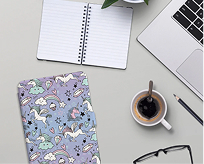
- Patterns & Textures: Optional but powerful—repeating patterns or textures that add depth to backgrounds or packaging.
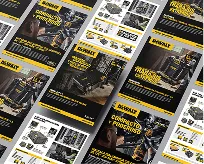
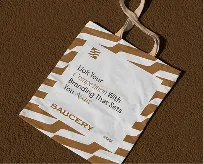
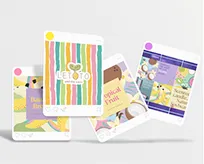
- Application Examples: Mockups showing the identity on business cards, social media posts, website headers, and product packaging.
- Brand Guidelines Document: A single source of truth that explains how to use every element, including do’s and don’ts.
Common Questions About Brand Identity Design
- Is brand identity design the same as a logo?
- No. A logo is one component of brand identity design—like the face of a person. Brand identity design includes the logo, but also colors, fonts, imagery, and the rules for how they all work together. The logo is the symbol; the identity is the entire visual system.
- How is brand identity design different from branding?
- Branding is the strategic process of defining your brand’s mission, values, personality, and positioning. Brand identity design is the execution of that strategy into visual assets. Think of branding as the “what” and “why,” and identity design as the “how” it looks.
- Do I need a brand identity if I’m a small business?
- Yes, and it can be simpler than a large corporation’s. Even a small business benefits from consistent colors, a clear logo, and a defined font. It helps you look professional, builds trust quickly, and makes your marketing materials cohesive without reinventing the wheel each time.
- How long does it take to create a brand identity design?
- Timelines vary widely based on complexity and the designer’s process. A thorough brand identity design project typically involves research, strategy, concept development, refinement, and final asset delivery. The key is to allow enough time for thoughtful iteration rather than rushing to a final result.
- What should I look for when hiring a brand identity designer?
- Look for a portfolio that shows a range of styles (not just one look), a clear process that includes strategy before design, and samples of brand guidelines documents. Ask how they handle feedback rounds and whether they deliver files in formats suitable for both digital and print use.
- Can I update my brand identity design later?
- Yes, and many businesses evolve their identity over time. A brand refresh or redesign is common as a company grows, enters new markets, or shifts its positioning. The key is to do it intentionally, with clear reasons, and to update all touchpoints consistently to avoid confusion.
How to Get Started with Brand Identity Design
If you’re considering a new brand identity or refreshing an existing one, start by clarifying your brand’s core values and target audience. Then, look for a design partner who can translate that strategy into a cohesive visual system. A well-crafted brand identity design is an investment that pays for itself through stronger recognition, trust, and customer loyalty.
For businesses seeking a thoughtful, research-driven approach, The NetMen Corp offers brand identity design services that balance creativity with strategic clarity. We help you build a visual language that feels authentic and works across every channel.
Contact The NetMen Corp to discuss your brand identity design needs and explore how we can bring your vision to life.