










What Is Packaging Design for CPG?
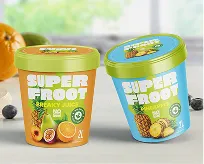
Packaging design for CPG (Consumer Packaged Goods) refers to the strategic creation of the physical container, label, and visual presentation of products that are sold quickly and at relatively low cost—such as food, beverages, toiletries, and cleaning supplies. It is the intersection of art, marketing, and engineering: the package must protect the product, communicate its value, and persuade a shopper to pick it off the shelf in seconds.
In plain English, CPG packaging design is the "silent salesperson" for everyday items. It answers three core questions for the buyer: What is this? Why should I care? Is it worth my money? Unlike luxury packaging, CPG design operates under tight constraints—shelf space, cost per unit, regulatory labeling, and supply chain efficiency—while competing for attention among dozens of similar products.
Why It Matters
In the CPG industry, the package is often the first and sometimes only interaction a brand has with a potential customer before purchase. In retail and ecommerce contexts, packaging design can strongly influence whether shoppers understand, trust, and consider the product. Effective packaging design for CPG:
- Drives shelf standout: With limited seconds to capture attention, color, typography, and shape must work together to stop the shopper's eye.
- Communicates product benefits instantly: A well-designed package conveys freshness, sustainability, convenience, or premium quality without requiring the shopper to read fine print.
- Builds brand recognition: Consistent design elements across a product line create a visual shorthand that loyal customers recognize and trust.
- Reduces friction in the supply chain: Practical considerations like stackability, durability, and material efficiency directly impact cost and sustainability goals.
- Supports omnichannel retail: Packaging must work equally well on a crowded store shelf, in an e-commerce shipping box, and on a social media unboxing video.
Checklist for Effective CPG Packaging Design
When evaluating or commissioning packaging design for a CPG product, consider these decision criteria:
- Clarity of product identity: Can a shopper identify the product category and brand within three seconds? Avoid overly clever or abstract designs that confuse.
- Hierarchy of information: The most important message (product name, key benefit) should be the largest and most prominent. Secondary details (ingredients, usage) follow logically.
- Color and contrast strategy: Colors should align with category expectations (e.g., green for natural, blue for clean) while differentiating from direct competitors on the shelf.
- Typography legibility: Fonts must be readable at actual shelf distance and on small screens. Avoid overly decorative typefaces for critical information.
- Regulatory compliance readiness: Leave adequate space for mandatory labels (nutrition facts, ingredients, warnings) without compromising design integrity.
- Material and structural viability: The design must work with the chosen material (plastic, glass, paperboard, flexible film) and manufacturing process. Test for durability, weight, and closure functionality.
- Sustainability communication: If the package uses recycled content or is recyclable, this should be visually communicated clearly and honestly to avoid greenwashing perceptions.
- E-commerce readiness: Consider how the package will appear in product photos, how it survives shipping, and whether it fits standard mailer boxes.
Common Questions About CPG Packaging Design
- How is CPG packaging design different from other types of packaging?
- CPG packaging operates under higher volume, lower margin constraints than specialty or luxury goods. The design must appeal to a broad audience, work within strict cost-per-unit limits, and perform across multiple retail channels (grocery, drugstore, online). Speed to shelf and regulatory compliance are also more critical.
- What role does sustainability play in CPG packaging design?
- Sustainability is increasingly a primary consideration, driven by consumer demand and regulatory pressure. Designers must balance material reduction, recyclability, and compostability with product protection and shelf appeal. The challenge is to communicate eco-friendly attributes without sacrificing the visual impact that drives sales.
- How much does professional CPG packaging design cost?
- Costs vary widely based on project complexity, designer experience, and whether structural engineering is needed. A simple label redesign for an existing bottle may cost less than a full structural and graphic overhaul for a new product. Always request a detailed scope of work and ask about revision rounds before committing.
- How long does the packaging design process typically take?
- Timelines depend on the number of SKUs, regulatory requirements, and testing needs. A straightforward redesign might take several weeks, while a new product launch with custom tooling can take several months. Build in extra time for structural testing, focus groups, and legal review.
- Should I design packaging in-house or hire an agency?
- In-house teams offer brand consistency and faster iteration, but may lack specialized structural or regulatory expertise. Agencies bring fresh perspectives, category knowledge, and access to focus groups. Many brands use a hybrid model: in-house handles brand guidelines, while agencies execute specific projects.
- What is the most common mistake in CPG packaging design?
- Overcomplicating the design. Trying to communicate too many benefits, using too many fonts or colors, or prioritizing aesthetics over clarity. The most effective CPG packaging is simple, memorable, and instantly communicates what the product is and why it matters.
Whether you are launching a new product or refreshing an existing line, thoughtful packaging design can be the difference between blending in and standing out. The NetMen Corp helps CPG brands navigate the intersection of design, strategy, and production to create packaging that works on shelf, online, and in the hand.
Ready to explore how strategic packaging design can elevate your CPG brand? Contact The NetMen Corp to discuss your project goals and learn how we approach design with clarity and purpose.