PHONE: 1-888-519-3443









PHONE: 1-888-519-3443
When working with a logo designer, it’s important to make sure you receive all the necessary file types for various uses. After you have reviewed the logo design portfolio, here are the main types of logo you should receive for your logo design, regardless of the design software used:
This file type is essential for high-quality printing and scaling. It allows the logo to be resized without any loss of quality, making it perfect for larger signage or merchandise.
A transparent PNG is a logo file with a transparent background, which is necessary for placing the logo onto different colored backgrounds or images.
This is a common file type that is widely used for web and digital purposes. It’s a good idea to request a high-resolution JPG for use on your website and social media profiles.
A PDF file is a good option for sending your logo to printers or for sharing digitally. It’s a versatile file type that can be opened on most devices.
Make sure to receive all these file types to avoid any delays or complications down the road with your business. Having these various file types will ensure that you have the best logo design files for any situation that may arise, whether it’s for printing materials or using the logo online.
At The NetMen Corp, we are an experienced graphic design agency providing custom and original logo design services. Our affordable logo design service includes all of the logo files you need to enjoy your logo. Contact us today to start your project.
A finished logo is not one file. It is a small set of files, each built for a different place the mark has to appear, and a project is only complete when all of them arrive.
The vector master is the source of everything else. It is the editable, resolution-independent file, usually delivered as AI, EPS, or SVG, and it is the one your future designers will open when they need to resize the mark, fix a color, or adapt it for a new use. If you only ever receive a JPG or a PNG, you own a picture of your logo, not the logo.
From that master come the practical working files. A PDF or EPS for print, so the printer can scale the mark to a business card or a billboard without losing sharpness. A PNG with a transparent background for web and social use, where a white box behind the mark would look broken. A favicon-sized version, tested at 16 pixels, so the mark still reads in a browser tab.
Color versions matter as much as formats. You should receive the full-color mark, a single-color black version, a reversed white version for dark backgrounds, and the exact color codes, both the print values and the web values, so a printer and a developer produce the same brand.
The last piece is the rule sheet, even a short one: minimum size, clear space around the mark, approved backgrounds, and what not to do. It is what keeps the logo consistent once it leaves your hands. Our logo design service delivers the full file set with those rules, so a logo is never stuck in a single format.

Lorem ipsum dolor sit amet, consectetur adipiscing elit. Etiam aliquam iaculis purus eu facilisis. Quisque sit amet nunc non ipsum dapibus porttitor.
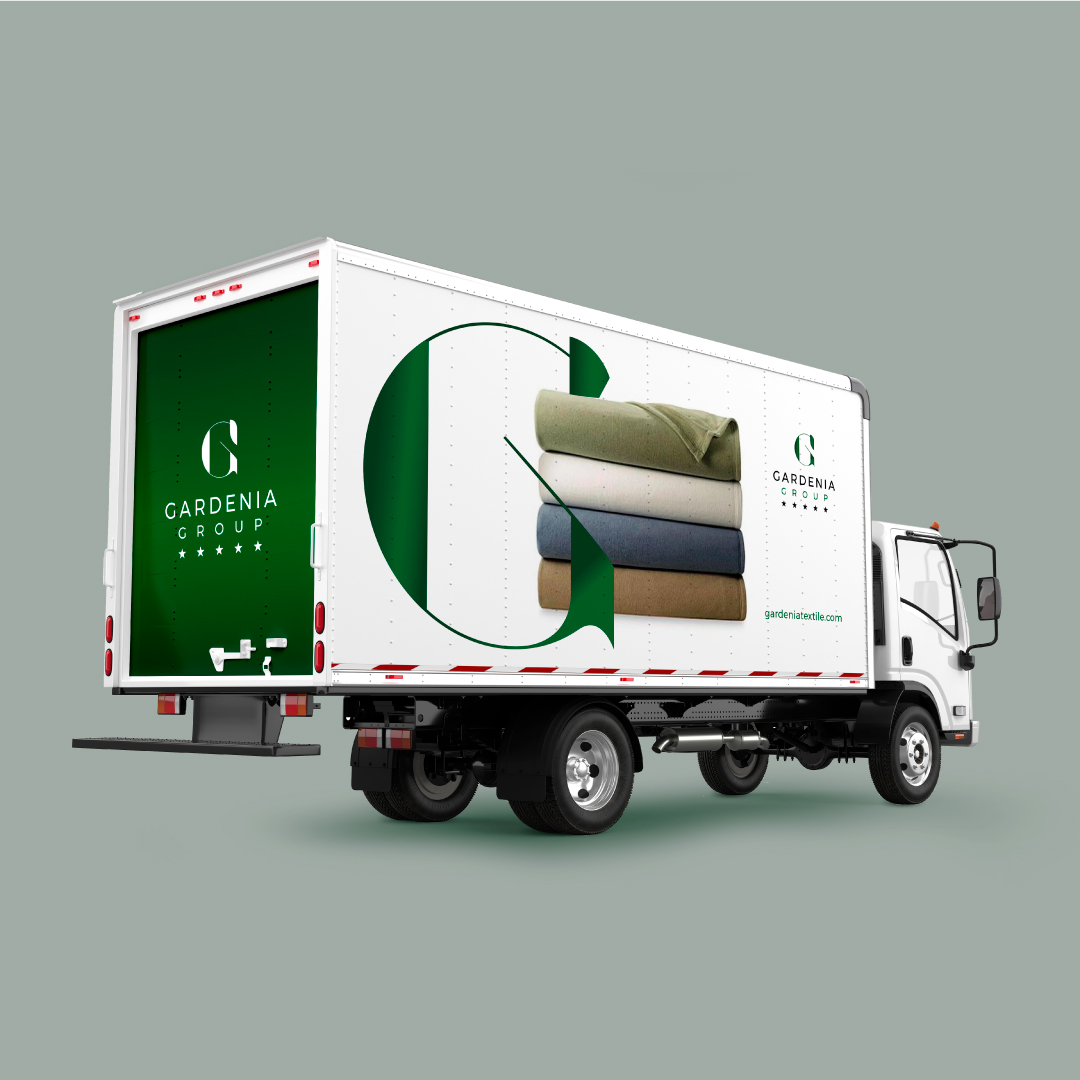
Lorem ipsum dolor sit amet, consectetur adipiscing elit. Etiam aliquam iaculis purus eu facilisis. Quisque sit amet nunc non ipsum dapibus porttitor.
Lorem ipsum dolor sit amet, consectetur adipiscing elit. Etiam aliquam iaculis purus eu facilisis. Quisque sit amet nunc non ipsum dapibus porttitor.