PHONE: 1-888-519-3443










PHONE: 1-888-519-3443
Color in food packaging design shapes how shoppers understand flavor, freshness, quality, appetite appeal, and brand personality. The right color palette can make a product easier to notice on shelf, easier to recognize online, and easier to remember after purchase.
Food packaging colors should not be chosen only because they look nice. They need to support the product category, target customer, ingredients, price point, retail environment, and brand positioning. A healthy snack, premium sauce, kids’ cereal, protein product, and frozen meal all need different color strategies.
Start with the buyer and the shelf context. Look at competitor colors, category expectations, flavor cues, retail lighting, and how the package will appear in ecommerce thumbnails. Then build a palette that helps the product stand out without confusing shoppers about what it is.
Colors aren’t just for decoration; they evoke emotions and shape perceptions about your food product. This makes color a critical element in the design of product packaging.
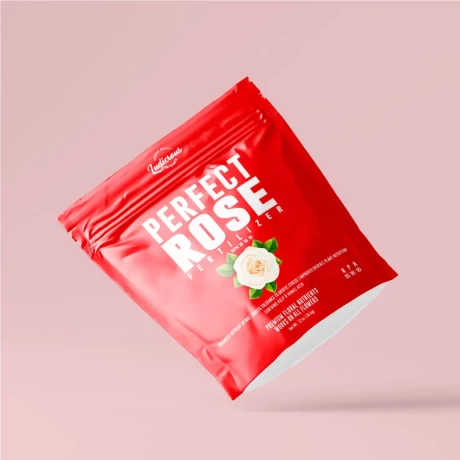
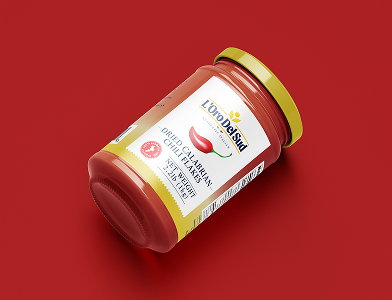
Red is a striking color that captures attention instantly. It can also stimulate appetite, which is why many fast-food chains incorporate red in their logos and packaging. You can add design elements in red to highlight a certain aspect of your prodct.
Examples of red in food packaging:
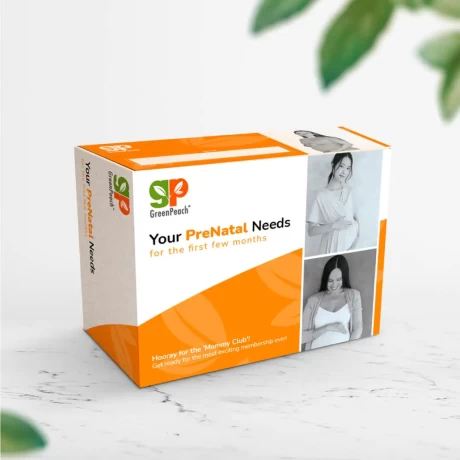
Orange exudes warmth and friendliness. It can make your product appear fun and exciting, making it a popular choice for snacks and beverages targeting younger audiences.
Examples of orange in food packaging:
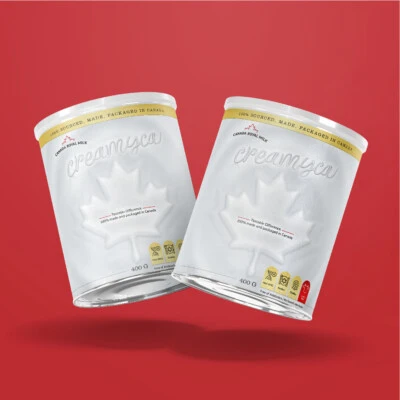
Yellow is bright and cheerful, often making people feel happy when they see it. It’s frequently used in packaging for breakfast foods and snacks. Yellow is also used in packaging labels to highlight a feature surrounding its nutrition.
Examples of yellow in food packaging:
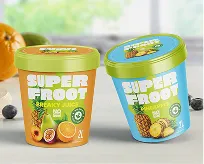
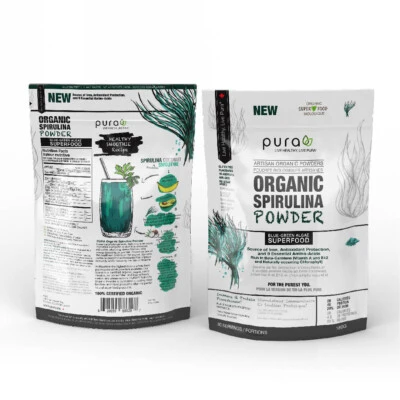
Green evokes thoughts of nature and health, making it ideal for organic or health-conscious products. Many vegetable and organic brands utilize green in their packaging.
Examples of green in food packaging:
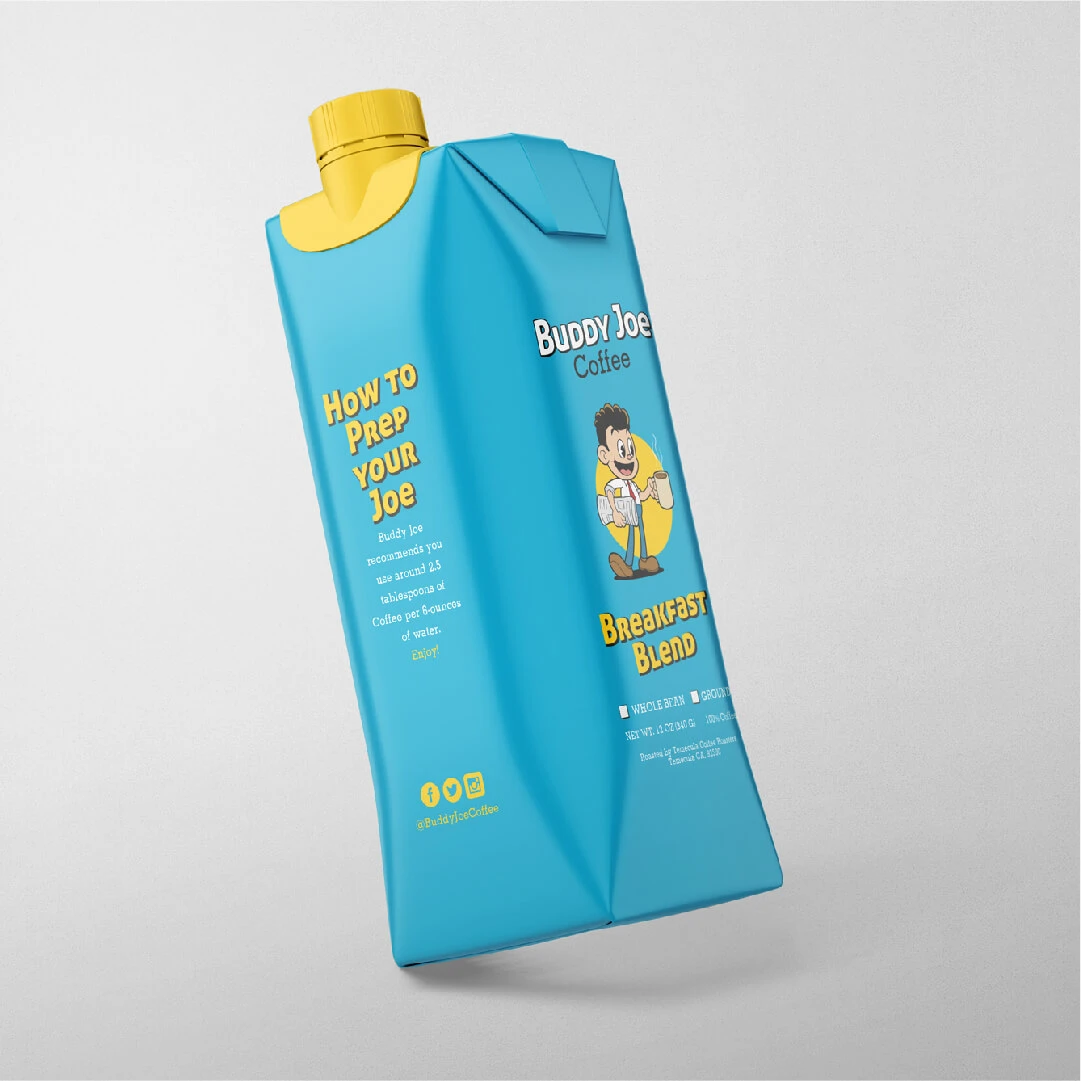
Blue conveys calmness and trust, although it’s less common in food packaging because it isn’t typically associated with food. However, it works well for dairy products and beverages. Blue is a great choice of color for showing information about the product which you want it to feel trustworthy.
Examples of blue in food packaging:
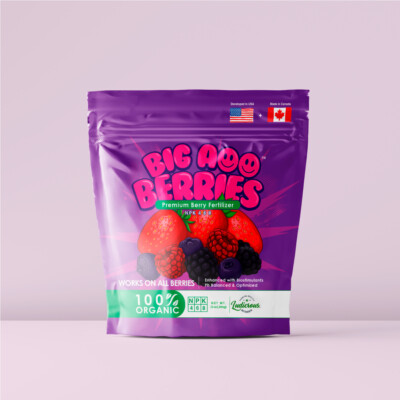
Purple is associated with luxury and quality, often used for premium or indulgent foods. It’s a popular choice for chocolate and wine packaging.
Examples of purple in food packaging:
[agregar foto
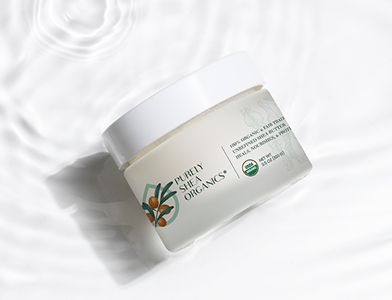
White suggests purity and simplicity, giving your product a clean, high-quality appearance. Many organic or natural food brands incorporate white in their packaging.
Examples of white in food packaging:
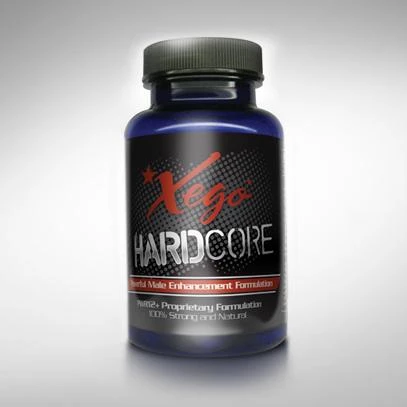
Black adds a touch of elegance and sophistication, often used for premium products or dark chocolate. It can also make other colors on the packaging stand out more.
Examples of black in food packaging:
Selecting the right colors is crucial in product design packaging. Here are some tips:
Using more than one color can make your packaging more engaging. Here are some effective combinations:
A professional packaging design service can guide you in selecting the most effective colors. They understand color psychology and current trends, ensuring your packaging is both visually appealing and marketable.
When selecting a packaging design agency, consider the following:
Before finalizing your color choices, consider the context where your product will be displayed. The retail environment, lighting, and shelf placement can change how colors look.
For example, bright store lighting might make colors more or less vibrant. Also, think about how your packaging will appear next to competitors’ products. Will your color scheme help your product stand out or blend in?
It’s also important to think about the longevity of your packaging design. Trends in color and design change quickly, but your packaging needs to stay effective over time.
While following the latest trends might be tempting, timeless color combinations can keep your product visually appealing even as trends shift.
Consider the emotional journey of your customer. The colors on your packaging guide them from noticing your product to deciding to buy it.
Think about how your colors will make them feel at each step. Will they feel trust? Excitement? Curiosity? These emotions can strongly influence their decision to purchase.
Finally, think about sustainability. More consumers care about the environment. Your color choices can show your brand’s commitment to sustainability.
Earth tones and natural hues can signal eco-friendliness. Simple, clean colors can also reduce the amount of ink used in printing, which may appeal to eco-conscious customers.
By considering these factors, you can create packaging that not only catches attention but also connects with consumers on a deeper level. This connection can lead to stronger brand loyalty and higher sales.
Color plays a powerful role in food packaging design, influencing whether people notice, like, and ultimately purchase your product. By understanding color psychology and collaborating with a skilled packaging design service, you can create packaging that stands out on the shelf.
Remember, the design of product packaging is about more than just aesthetics. It’s about forming a connection with your customers, and the right colors can help you achieve that. Whether you’re launching a new product or revamping an existing one, carefully consider your color choices. With the right approach, your food packaging can become a compelling marketing tool.
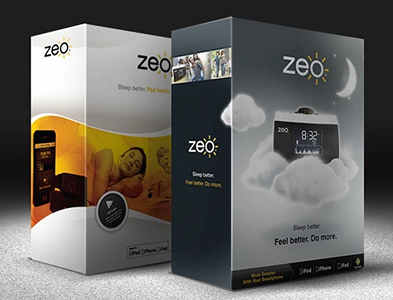
The NetMen Corp designs food packaging, beverage packaging, labels, pouches, boxes, and retail-ready CPG packaging. Explore our food packaging design services, our packaging design services, or contact us to discuss your product.
Lorem ipsum dolor sit amet, consectetur adipiscing elit. Etiam aliquam iaculis purus eu facilisis. Quisque sit amet nunc non ipsum dapibus porttitor.
Lorem ipsum dolor sit amet, consectetur adipiscing elit. Etiam aliquam iaculis purus eu facilisis. Quisque sit amet nunc non ipsum dapibus porttitor.
Lorem ipsum dolor sit amet, consectetur adipiscing elit. Etiam aliquam iaculis purus eu facilisis. Quisque sit amet nunc non ipsum dapibus porttitor.