PHONE: 1-888-519-3443









PHONE: 1-888-519-3443
CPG stands for Consumer Packaged Goods — everyday products sold in physical retail stores or online. If you're building a food, beverage, beauty, household, or pet product brand, you're in CPG. And packaging design in this category plays by different rules than most other types of design work.
Most design is for screens. CPG packaging design is for shelves — physical, three-dimensional, surrounded by dozens of competing products fighting for the same second of attention.
The constraints are also different: FDA labeling requirements, ingredient declarations, nutrition facts, barcode placement, recycling symbols, net weight statements, country of origin. The packaging has to be legally compliant before it can even think about being beautiful.
What shape is the package? Pouch, box, bottle, jar, sleeve, bag? The structure affects production cost, shelf footprint, unboxing experience, and shipping efficiency. Structural design is often handled by a packaging engineer or manufacturer — but a good packaging designer will work within whatever structure you've chosen.
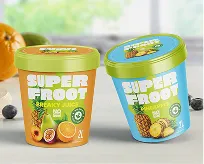
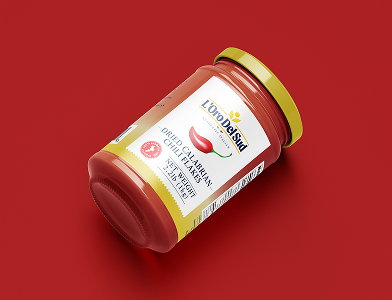
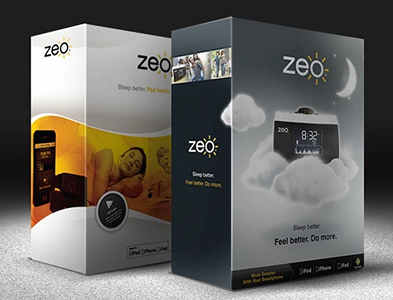
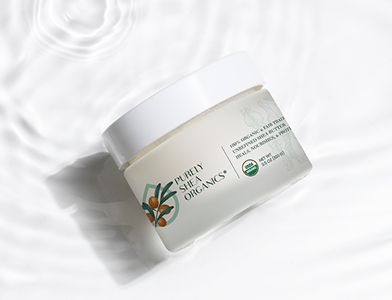
This is what most people mean when they say "packaging design" — the visual identity applied to the surface. Colors, typography, imagery, hierarchy, and how the brand identity translates to a physical package. The goal: communicate the brand promise and product benefit in under 3 seconds at a distance of 3–6 feet.
For food and beverage: FDA-compliant nutrition facts panel, ingredient list, allergen statements, net weight, manufacturer information, country of origin. For supplements: additional FDA requirements. Your designer doesn't write this content — but they need to design the layout to accommodate it correctly.
The gap between a beautiful design and a beautifully printed package is larger than most founders expect. Color profiles (CMYK vs. Pantone), dieline setup, bleed and safe zones, substrate-specific considerations — all of this has to be handled correctly or the printed result won't match the design.
Retail packaging is designed to perform on a physical shelf — it needs to attract attention from a distance, communicate the product at shelf height, and stand up to being handled and replaced dozens of times.
Amazon packaging has additional requirements: the package hero shot IS your main product image, which means it needs to photograph well against a white background. The packaging also needs to meet Amazon's frustration-free packaging standards if you want to qualify for those programs.
The smartest CPG brands design for both simultaneously — it costs more upfront but saves significant time and money versus designing retail packaging and then having to adapt it for Amazon separately.
A good brief includes: product description and key benefits, target consumer (who is this for?), retail/Amazon channel (or both), competitor packaging examples, brand identity files (logo, colors, fonts), regulatory content that must appear, and structural specifications from your manufacturer.
The more complete your brief, the faster and cheaper the project will be.
Ready to design your CPG packaging? Our packaging design services are built specifically for consumer brands going to retail and Amazon.
Lorem ipsum dolor sit amet, consectetur adipiscing elit. Etiam aliquam iaculis purus eu facilisis. Quisque sit amet nunc non ipsum dapibus porttitor.
Lorem ipsum dolor sit amet, consectetur adipiscing elit. Etiam aliquam iaculis purus eu facilisis. Quisque sit amet nunc non ipsum dapibus porttitor.
Lorem ipsum dolor sit amet, consectetur adipiscing elit. Etiam aliquam iaculis purus eu facilisis. Quisque sit amet nunc non ipsum dapibus porttitor.