PHONE: 1-888-519-3443









PHONE: 1-888-519-3443
Marketplaces are highly competitive. As products vie for consumer attention, packaging design has emerged as a powerful tool for capturing hearts and minds.
It is no longer just about protecting products. Packaging design has evolved into an art form that communicates brand values, engages emotions, and influences purchasing decisions. And the key to have a good design, is working with a professional packaging designer. These are the things anybody looking to hire packaging design services needs to know before they do so.
“Never judge a book by its cover” can be considered as a popular saying. But the truth is, consumers often form their initial impression of a product based on its packaging. The visual impact of a well-designed package can make or break a sale.
A captivating design captures attention, piques curiosity, and entices consumers to explore further. It acts as a silent salesman, conveying the essence of the product, its quality, and its unique selling points.
Brands invest in thoughtful packaging design. They understand the importance of creating a positive first impression. This helps them stand out from the competition. Knowledge in graphic design and printing process is essential for this part to work.
Packaging design serves as a brand ambassador. It represents a company’s identity and values. Whether it’s a minimalist approach that conveys sophistication or a vibrant design that exudes energy, packaging communicates the brand’s personality.
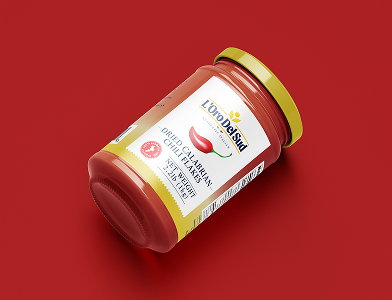
Consistency in design elements, such as colors, typography, and logo placement, helps establish brand recognition and builds trust among consumers. Businesses can strengthen their relationship with their target audience by aligning packaging with brand identity. This emotional connection can drive customer loyalty and lead to more repeat purchases.
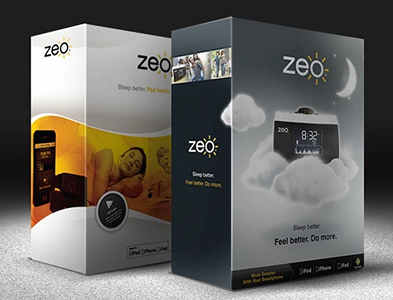
In a crowded retail environment, where shelves are brimming with products, packaging design plays a pivotal role in grabbing attention. Eye-catching designs with unique shapes, vivid colors, and compelling graphics can stand out a product from its competitors.
Creative packaging solutions can boost a brand’s visibility. Examples include sustainable materials and innovative structures. These solutions can also attract eco-conscious consumers who are looking for responsible choices. By breaking through the visual clutter, packaging design enables products to shine and engages potential customers in a split second.
It is recommended that you look for a product packaging design services provider that matches the style you want.
Packaging design has the power to tell stories and evoke emotions. From the use of imagery and illustrations to the careful selection of materials, every element can contribute to the narrative. By crafting a coherent and compelling story, brands can create an immersive experience for consumers.
packaging design has the ability to evoke emotions and forge lasting connections with customers. Whether it’s a nostalgic design that evokes childhood memories or an elegant package that transports users to a luxurious realm.
Packaging design goes beyond aesthetics; it also influences the overall user experience. Thoughtful consideration of functionality, ease of use, and use can elevate a product’s perceived value. Intuitive opening mechanisms, ergonomic designs, and clear labeling enhance user convenience and satisfaction.
Nowadays, Customers seek products that simplify their lives. Packaging design that aligns with the customers’ needs and desires can turn everyday routines into delightful moments. Top packaging designers know the importance of good print design. Custom boxes that display creative processes are a must in the industry.
In recent years, consumers have become more conscious of environmental issues. This leads to a growing demand for sustainable packaging. Packaging design plays a crucial role in addressing this concern. Brands are increasingly embracing eco-friendly materials, minimizing packaging waste, and designing reusable or recyclable solutions.
By adding sustainable practices into packaging design, companies can demonstrate their commitment to the environment. This attracts environmentally-conscious consumers and enhancing their brand reputation.
Packaging design has evolved into a critical component of brand strategy, wielding immense power to captivate consumers and highlight products. Businesses need to recognize the importance of making a memorable first impression.
Reflecting their brand identity helps companies stand out on shelves. Telling compelling stories and enhancing user experiences are also important. Additionally, embracing eco-friendly solutions is key. Packaging design will continue to play a significant role in shaping consumer perceptions and driving purchasing decisions.
In addition to the before mentioned benefits, packaging design also contributes to product functionality and convenience. Effective packaging solutions incorporate features that make the product easier to use, store, and transport. From resealable pouches to single-serving packages, packaging design can cater to the evolving needs and lifestyles of consumers. This focus on usability not only enhances the overall user experience but also fosters customer satisfaction and loyalty.
Moreover, packaging design has a profound impact on brand recognition and recall. A well-designed package becomes an iconic symbol, instantly memorable by consumers. The choice of colors, fonts, and imagery can create a strong visual identity that consumers associate with a particular brand.
This recognition becomes invaluable in a cluttered marketplace, where consumers are bombarded with numerous options. Package design can help a product stand out. This makes it easier for customers to remember the product when they want to make a repeat purchase. A distinctive design is key to achieving this.
Furthermore, packaging design plays a vital role in ensuring product safety and protection. It acts as a barrier against external factors such as contamination, tampering, and damage during transportation.
A package that is designed well not only protects the product, but also creates a sense of trust in the consumer. They know they are receiving a product of good quality and that it is in one piece. This trust in the packaging’s ability to preserve the product’s integrity is crucial for building long-term relationships with customers.

As technology continues to advance, packaging design is also evolving to incorporate interactive and engaging elements. Augmented reality (AR) and QR codes can be found on packaging. These codes enable consumers to access extra product information, videos, or even games. This is all possible by using their smartphones.
This integration of technology adds an extra layer of excitement and interactivity, creating memorable experiences for consumers and reinforcing brand engagement.
In conclusion, packaging design has transcended its traditional role. It has emerged as a powerful tool for businesses to communicate their brand values, captivate consumers, and influence purchasing decisions. By investing in thoughtful and innovative packaging design, companies can elevate their products. They can also foster brand loyalty, and create meaningful connections with consumers in an increasingly competitive marketplace.
At The NetMen Corp, we are a packaging design agency that offers affordable design services. We have done many food packaging designs. You can explore our portfolio and wide range of services like logo design, web design packages, label design.
Packaging design only works as a silent salesman when the designer behind it understands the personality the package is supposed to project. That is why the excerpt’s advice to look for a product packaging design services provider that matches the style you want deserves more attention than a closing line.
Start by identifying the visual register your brand already occupies. A minimalist approach conveys sophistication; a vibrant design exudes energy. Neither is universally better. The question is which one your product can sustain across every SKU, shelf, and marketplace listing.
Then examine how a prospective designer handles the elements that carry that register: color, typography, logo placement, imagery, illustration, and material choice. These are the same elements the excerpt ties to brand recognition and trust. If a designer’s portfolio leans toward ornate illustration while your brand depends on restraint, the mismatch will surface in the final package.
Because packaging also involves printing knowledge, ask how a designer thinks about production constraints alongside creative direction. A concept that cannot survive the printing process is not a finished design.
Finally, consider the full range of work packaging now performs: protecting the product, communicating values, supporting storytelling, and improving usability through intuitive opening mechanisms, ergonomic forms, and clear labeling. A provider whose style matches yours across that entire scope is better positioned to deliver packaging that feels like your brand rather than a template applied to it.
Most packaging conversations stop at the shelf. But the excerpt is clear that packaging design “goes beyond aesthetics” and shapes the overall user experience through functionality, ease of use, ergonomic design, intuitive opening mechanisms, and clear labeling. That second life of a package deserves its own design brief.
Start with the moment of use. A box that resists opening, a pouch that tears unevenly, or a label that hides dosage or care instructions all undermine the perceived value the graphics worked to build. Ergonomic structures and intuitive opening mechanisms are design decisions, not afterthoughts, and they belong in the same conversation as color and typography.
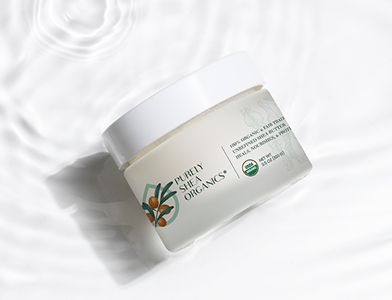
Material selection carries the same weight. Sustainable materials and innovative structures are named in the source as creative packaging solutions that can attract eco-conscious consumers looking for responsible choices. Choosing them is not decoration; it is a statement about how the brand expects the product to be handled, stored, and eventually discarded.
Clear labeling closes the loop. It supports the user after purchase and reinforces the brand identity established earlier through consistent colors, typography, and logo placement.
A packaging designer who understands the printing process and graphic design can align all three layers—visual, structural, and informational—so the package performs on the shelf and in the customer’s hands. That continuity is what turns a single purchase into a relationship.
Lorem ipsum dolor sit amet, consectetur adipiscing elit. Etiam aliquam iaculis purus eu facilisis. Quisque sit amet nunc non ipsum dapibus porttitor.
Lorem ipsum dolor sit amet, consectetur adipiscing elit. Etiam aliquam iaculis purus eu facilisis. Quisque sit amet nunc non ipsum dapibus porttitor.
Lorem ipsum dolor sit amet, consectetur adipiscing elit. Etiam aliquam iaculis purus eu facilisis. Quisque sit amet nunc non ipsum dapibus porttitor.