PHONE: 1-888-519-3443













PHONE: 1-888-519-3443
Logo design rules help keep a logo simple, recognizable, scalable, and useful across real business applications. A strong logo should work in color and black and white, remain readable at small sizes, feel distinctive in the market, and avoid unnecessary effects that make it harder to reproduce.
These rules are useful whether you are creating a new logo, reviewing logo concepts from a designer, or auditing an existing brand mark. The goal is not to make every logo look the same. The goal is to make sure the logo can survive websites, packaging, signs, social profiles, business cards, ads, embroidery, and print production.
Before approving a logo, test it in the places where the brand will actually use it: website header, social avatar, packaging, storefront sign, email signature, black-and-white print, and small mobile screens. If the logo loses clarity in those contexts, simplify it before launch.
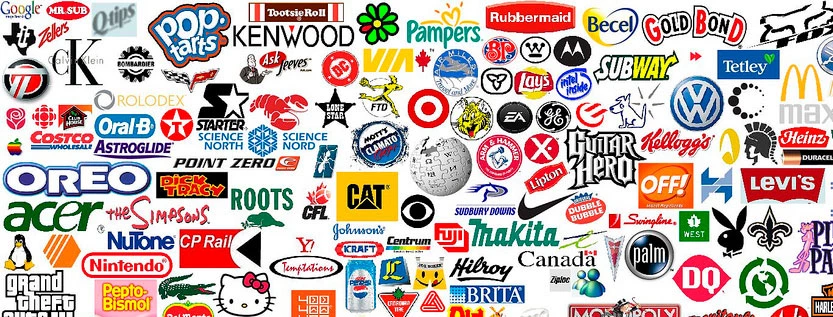
This list is an exploration of design principals used in some of the world’s most famous logos.
At the same time, the list was created as a way for designers to question themselves and the creative techniques they use when creating a logo design. Forcing the reader to reflect not only on the actual list, but also on their reaction to each listed insight, the last rule is the most important.
Source: Tanner Christensen
The NetMen Corp creates custom logo designs, brand identity systems, stationery, packaging, and web assets for businesses that need a professional visual identity. Explore our logo design services or contact us to start your logo project.
Rules for logo design are only useful if they change what you do before launch. Instead of reading the list once and approving the first polished concept, build a short test routine around the same principles: simplicity, readability, scale, black-and-white performance, and originality.
Start by shrinking the mark. If the icon or symbol collapses into a smudge at favicon size, the detail is decorative, not structural. Next, strip the color. A logo that depends on gradients, drop shadows, or reflections to stay legible will fail in embroidery, one-color print, and faxed contracts. Then invert it and resize it again, because recognition should survive both.
Alignment matters too. Each element should lock to a clear edge—left, center, right, top, or bottom—so the logo holds together when it is dropped into a website header, a social avatar, or a storefront sign. Limit the palette to no more than three colors and the typography to no more than two fonts; those constraints force every remaining choice to earn its place.
Finally, check originality. Combining elements from popular logos or using clipart makes the mark generic and harder to protect. A photo does not make a logo, and a perfect logo is not the goal. The goal is a mark that stays bold, confident, and recognizable across websites, packaging, signs, business cards, ads, embroidery, and print production.

Lorem ipsum dolor sit amet, consectetur adipiscing elit. Etiam aliquam iaculis purus eu facilisis. Quisque sit amet nunc non ipsum dapibus porttitor.

Lorem ipsum dolor sit amet, consectetur adipiscing elit. Etiam aliquam iaculis purus eu facilisis. Quisque sit amet nunc non ipsum dapibus porttitor.
Lorem ipsum dolor sit amet, consectetur adipiscing elit. Etiam aliquam iaculis purus eu facilisis. Quisque sit amet nunc non ipsum dapibus porttitor.